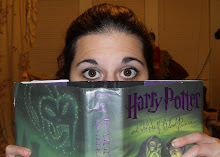
Deathly Hallows:
This is by far the most literary novel of the series. It contains its own story, but it also connects back into the entire series, specifically Sorcerer's Stone. Everything that Harry learned before and because the events of "Through the Trapdoor" is useful to him in this book and the journeys are parallel to one another.
Just like it takes the combined efforts of Harry, Ron, and Hermione to reach the stone, it takes the combined effort of all three to find and destroy the Horcruxes. Harry destroys the diary in the second book and sacrifices himself, Ron destroys the locket, and Hermione the cup. Their individual journeys also demonstrate their maturity by the end of the series.
I believe that Hermione changes the least over the course of the series. But she demonstrates the importance of "friendship and bravery" during her time searching for and defeating the Horcruxes. She finally finds the balance between the Gryffindor and Ravenclaw qualities in her personality and that allows her to be instrumental on the Golden Trio's journey.
I think Ron and Harry have equally trying journeys through the series. Ron overcomes his insecurities enough to defeat the piece of Voldemort's soul that is influencing him. To me, the part of the series when Ron leaves Harry and Hermione is one of the most heart-wrenching. Ron chooses to give into his insecurities and they hold him back from maturing into a man. But, he chooses to come back and stand by his friends. Out of the trio, Ron is giving up the most by going on the journey. He chooses to leave his family, one of the most important aspects of his life. Even at school, it is apparent that the Weasley clan is tight-knit and values loyalty above all. For Ron to go off and leave the safety of his family is a terrific sacrifice. He does it not only once, but three times. He chooses to follow Harry into the breech and saves his life multiple times. Ron finally reaching the turning point into maturity when he metaphorically and literally defeats his demons.
Finally, Harry's journey. He begins the book by losing Hedwig, the symbol of his childhood, his constant link to the magical world, and his comfort during the long summers. As the book continues, he loses many others around him that bring him strength and comfort. By the end of the book, he is left to commit his sacrifice on his own. I believe that Harry's turning point into maturity comes when he buries Dobby and makes the conscious choice to pursue the Horcruxes instead of Hallows. Harry could have taken the easy way out- the way that Dumbledore chose in his youth. Instead, he chooses to wait. If we think back to who Harry was as a character leading up to this point, he was rash and impulsive. In Sorcerer's Stone, he wants to chase and defeat Snape/Voldemort on his own. He is constantly charging into battle without a second thought. But as he buries Dobby, he does the hardest thing for a commander who has just lost a soldier and a friend- he chooses to wait. He makes a well-reasoned decision for the good of many, instead of the rash decision that will only lead to more heartache and will not help the cause. Harry finally grows into the man that Dumbledore wants him to be.
While all three of the Golden Trio defeat their demons in different ways, it is their choices that lead them to victory. Their combined efforts as a team and their constant trust in one another and what allow them to succeed throughout the series, from capturing the Sorcerer's Stone to destroying the Horcruxes.
Obviously, I could go on and on about the complexities of this book and this series. I wrote my senior thesis about the duality of Harry and Draco and of Harry and Voldemort. I also connect this duality into Charles Dickens's A Tale of Two Cities and the Bible. One day I might turn all of this analysis and rambling into a book. But for now, I just enjoy thinking critically about a series that shaped my life and my generation.
Showing posts with label #4. Show all posts
Thursday, February 26, 2015
Monday, February 23, 2015
Finishing Harry Potter
It's completely ridiculous that I haven't finished talking about Harry Potter and I'm currently bored subbing in an Aquatic Science class.
Half-Blood Prince:
This book is probably my favorite of the series. I loved learning about the complexities and history of Tom Riddle. Also, Harry is angsty and suspicious of Snape and Draco, Ron and Hermione's sexual tension hits new highs, and the book begins with an interesting peak into the effects this Wizarding War has on the Muggle world. All of these elements combine to create a story with a multitude of facets that any person can enjoy. There's mystery, romance, history, teenage hormones everywhere, and character development beyond what we've seen before. This book is a little bit trashy and a little bit literary, just like Harry (or any other 16 year-old).
One of my favorite elements of this novel is the focus on Draco Malfoy. We see the journey he's traveled since his childhood. He's gone from a spoiled child to a young man who has pressure from not only his family, but the Dark Lord, on his shoulders. He is trying to do what he thinks is right: serve Lord Voldemort. He was raised by people who partake in these separatist views and now he is trying to make them proud with his work and service. He finally is feeling a man's burden. Even though his goals are not noble, it is easy for the reader to understand Draco's motivation.
This book helps establish Draco as a foil to Harry. While the two boys have opposing views and fight frequently, they are both just trying to do right by their parents and mentors. Harry is trying to avenge his parents and honor their memories. He is also trying to follow Dumbledore and his ideals. In this novel, he tells Scrimgeour that he is "Dumbledore's man, through and through". Harry and Fawkes the phoenix have a special relationship because of Harry's loyalty to Dumbledore. Draco is also trying to do right by his parents. He is willing to commit murder for him. The difference is that he does not fully commit himself to Voldemort's cause. He doesn't consider murder because he wants Voldemort to be proud of him. He wants to protect his parents from Voldemort. He was chosen for the task of murdering Dumbledore as a punishment for his father's mistakes. The two boys are foils to one another and are two sides of the same coin.
Half-Blood Prince:
This book is probably my favorite of the series. I loved learning about the complexities and history of Tom Riddle. Also, Harry is angsty and suspicious of Snape and Draco, Ron and Hermione's sexual tension hits new highs, and the book begins with an interesting peak into the effects this Wizarding War has on the Muggle world. All of these elements combine to create a story with a multitude of facets that any person can enjoy. There's mystery, romance, history, teenage hormones everywhere, and character development beyond what we've seen before. This book is a little bit trashy and a little bit literary, just like Harry (or any other 16 year-old).
One of my favorite elements of this novel is the focus on Draco Malfoy. We see the journey he's traveled since his childhood. He's gone from a spoiled child to a young man who has pressure from not only his family, but the Dark Lord, on his shoulders. He is trying to do what he thinks is right: serve Lord Voldemort. He was raised by people who partake in these separatist views and now he is trying to make them proud with his work and service. He finally is feeling a man's burden. Even though his goals are not noble, it is easy for the reader to understand Draco's motivation.
This book helps establish Draco as a foil to Harry. While the two boys have opposing views and fight frequently, they are both just trying to do right by their parents and mentors. Harry is trying to avenge his parents and honor their memories. He is also trying to follow Dumbledore and his ideals. In this novel, he tells Scrimgeour that he is "Dumbledore's man, through and through". Harry and Fawkes the phoenix have a special relationship because of Harry's loyalty to Dumbledore. Draco is also trying to do right by his parents. He is willing to commit murder for him. The difference is that he does not fully commit himself to Voldemort's cause. He doesn't consider murder because he wants Voldemort to be proud of him. He wants to protect his parents from Voldemort. He was chosen for the task of murdering Dumbledore as a punishment for his father's mistakes. The two boys are foils to one another and are two sides of the same coin.
Wednesday, August 8, 2012
Random Thoughts on Sorcerer's Stone
I've begun my annual reread of Harry Potter. Here are some random thoughts that were posted to my Tumblr about Sorcerer's Stone:
In Sorcerer’s Stone, Petunia hears what happened to Lily on the night of her murder from Hagrid at the hut. I wonder how much Dumbledore told her in the letter and how many details she heard for the first time. I wonder if she knows how famous her sister and nephew really are. But I mostly wonder how she stood there and listened to Hagrid.
-------------------------------------------------
“Seven years there and he won’t know himself.” — Hagrid, Sorcerer’s Stone p.58 It breaks my heart to realize how much Harry actually goes through in seven years at Hogwarts. When I read this line in the first book, I know that Harry will mature and change in his seven years at school. But, when I look back at it from the end of Deathly Hallows and see the man that he grew up to be, I am proud of Harry and everything he overcame. Hagrid was right. Looking back seven years later, I’m sure Harry didn’t know himself as the self-conscious eleven-year old he was here.
-------------------------------------------------
“Do either of you know what house you’ll be in? I’ve been asking around, and I hope I’m in Gryffindor, it sounds by far the best; I hear Dumbledore himself was in it, but I suppose Ravenclaw wouldn’t be too bad…” — Hermione Granger, Harry Potter and the Sorcerer’s Stone, p. 106 New headcanon: Everyone has always wondered why Hermione ended up in Gryffindor instead of Ravenclaw if she’s the brightest witch of her age. She entered the magic world with only the knowledge she had gained from her books and what others told her. Here we find out that she was told that Dumbledore was a Gryffindor. I think it’s safe to assume that she knew about his accomplishments at this point. She entered the school admiring Dumbledore and the great wizard that he was. So I think that the Sorting Hat wanted to put her in Ravenclaw. But Hermione chose Gryffindor because that’s the house Dumbledore was in.
-------------------------------------------------
I don’t know why, but I always forget that “Through the Trapdoor” is my favorite chapter in the Harry Potter series until I reread it. In the scheme of the entire series, this is probably a pretty trivial chapter. It doesn’t even contain a Harry vs. Voldemort battle. But it’s when I truly fell in love with the trio and everything they represent. I love that Ron and Hermione didn’t even hesitate in joining Harry when he decided to go try to defeat Snape. I love that once they got there, it took all of them to get Harry into the last section of the journey. It is so symbolic of their friendship throughout the series. It took all of them working together to get the key. Ron played a fantastic game of chess and sacrificed himself. Hermione figured out Snape’s logic puzzle. As a child this was a fantastic lesson; it was ok to accept help from your friends and you could depend on them. The entire trio was instrumental. It wasn’t just Harry’s bravery or Ron’s courage or Hermione’s intelligence. It was all of these combined. None of them could have done it without the other two. That’s what their unique friendship is about- counting on one another when no one else is there to help them. That’s why I love “Though the Trapdoor”- it perfectly symbolizes the amazing friendship and the love they have for each other that is at the core of this series.
In Sorcerer’s Stone, Petunia hears what happened to Lily on the night of her murder from Hagrid at the hut. I wonder how much Dumbledore told her in the letter and how many details she heard for the first time. I wonder if she knows how famous her sister and nephew really are. But I mostly wonder how she stood there and listened to Hagrid.
-------------------------------------------------
“Seven years there and he won’t know himself.” — Hagrid, Sorcerer’s Stone p.58 It breaks my heart to realize how much Harry actually goes through in seven years at Hogwarts. When I read this line in the first book, I know that Harry will mature and change in his seven years at school. But, when I look back at it from the end of Deathly Hallows and see the man that he grew up to be, I am proud of Harry and everything he overcame. Hagrid was right. Looking back seven years later, I’m sure Harry didn’t know himself as the self-conscious eleven-year old he was here.
-------------------------------------------------
“Do either of you know what house you’ll be in? I’ve been asking around, and I hope I’m in Gryffindor, it sounds by far the best; I hear Dumbledore himself was in it, but I suppose Ravenclaw wouldn’t be too bad…” — Hermione Granger, Harry Potter and the Sorcerer’s Stone, p. 106 New headcanon: Everyone has always wondered why Hermione ended up in Gryffindor instead of Ravenclaw if she’s the brightest witch of her age. She entered the magic world with only the knowledge she had gained from her books and what others told her. Here we find out that she was told that Dumbledore was a Gryffindor. I think it’s safe to assume that she knew about his accomplishments at this point. She entered the school admiring Dumbledore and the great wizard that he was. So I think that the Sorting Hat wanted to put her in Ravenclaw. But Hermione chose Gryffindor because that’s the house Dumbledore was in.
-------------------------------------------------
I don’t know why, but I always forget that “Through the Trapdoor” is my favorite chapter in the Harry Potter series until I reread it. In the scheme of the entire series, this is probably a pretty trivial chapter. It doesn’t even contain a Harry vs. Voldemort battle. But it’s when I truly fell in love with the trio and everything they represent. I love that Ron and Hermione didn’t even hesitate in joining Harry when he decided to go try to defeat Snape. I love that once they got there, it took all of them to get Harry into the last section of the journey. It is so symbolic of their friendship throughout the series. It took all of them working together to get the key. Ron played a fantastic game of chess and sacrificed himself. Hermione figured out Snape’s logic puzzle. As a child this was a fantastic lesson; it was ok to accept help from your friends and you could depend on them. The entire trio was instrumental. It wasn’t just Harry’s bravery or Ron’s courage or Hermione’s intelligence. It was all of these combined. None of them could have done it without the other two. That’s what their unique friendship is about- counting on one another when no one else is there to help them. That’s why I love “Though the Trapdoor”- it perfectly symbolizes the amazing friendship and the love they have for each other that is at the core of this series.
Saturday, October 1, 2011
Order of the Phoenix (Magical Creatures)
For this instalment of Nadia talks about how much she loves the brilliance of Harry Potter, let's talk about magical creatures.
I decided to focus on this because of the new creatures introduced in OotP: Kreacher and the thestrals. Also, I want to discuss dementors and centaurs.
Kreacher, I think is desperately addled and distraught. While he redeems himself in the later books, his character is despicable in OotP. Dumbledore explains Kreachers behavior when he says, "Kreacher is what he has been made by wizards... Yes, he is to be pitied. His existence has been as miserable as your friend Dobby's... Sirius was not a cruel man, he was kind to house-elves in general. He had no love for Kreacher, because Kreacher was a living reminder of the home Sirius had hated" (832, 834). Sirius mistreats Kreacher, not from any prejudice against house elves, but because Kreacher is a symbol for the past that Sirius has been running from for so long. I, for one, am glad that Kreacher showed up again in the later books, especially DH, and redeemed his character.
The other creature introduced in this book is the thestral. These are deeply misunderstood as well, because only people who have witnessed death can see a thestral. Therefore, they have an almost Grim-like reputation. But, they also are extremely clever and have an amazing sense of direction. These creatures are a symbol for acceptance of death, opposite the freedom the hippogriffs. There is an interesting essay comparing and contrasting threstrals and hippogriffs that can be found here: http://www.the-leaky-cauldron.org/features/essays/issue10.
Next on the list is dementors. JKR herself said that these characters symbolize depression, and there are very few things more terrifying than the thought of a dementor. A creature that takes away your soul through a personal and intimate gesture? One that can force you to only live in the worst times of your life? One that takes away all your happiness and all your hope? That is positively petrifying. These creatures truly do symbolize clinical depression and I admire the way JKR put a personal bit of her life into Harry's world through this creature. Better keep some chocolate on hand, just in case.
Centaurs are found in mythology, including Greek and Roman. In some of them, they are teachers like Firenze the Divination teacher. I am fascinated with the idea of such a creature being an instructor. I can't even say how many times I've said, "Mars is bright tonight". I like that they know that their predictions can be misinterpreted easily, even by the centaurs themselves. I also love how all of their situations in the books are complex in some way- they usually involve arguing between two groups of centaurs. It opposes them to the image seen in Fountain of Magical Brethren seen in the Atrium of the Ministry of Magic, in which the centaurs, along with a goblin and house-elf, are all "looking adoringly up at the witch and wizard".
Many of the creatures in the world of Harry Potter are mistreated and underestimated. This is most prevalently seen in OotP with Umbridge and her discriminations against "half-breeds". These non-human intelligent beings are hated and feared by Umbridge. But, one of the main themes of Harry Potter is to not judge by appearance. Hagrid, a "half-breed", is one of the most lovable and loyal characters in the entire series. These magical creatures that are prejudiced against are symbols for any group of people that a majority discriminates because of some trivial difference.
Time read: 24 hours, 12 minutes, 45 seconds
Pages read: 2689/4195
I decided to focus on this because of the new creatures introduced in OotP: Kreacher and the thestrals. Also, I want to discuss dementors and centaurs.
Kreacher, I think is desperately addled and distraught. While he redeems himself in the later books, his character is despicable in OotP. Dumbledore explains Kreachers behavior when he says, "Kreacher is what he has been made by wizards... Yes, he is to be pitied. His existence has been as miserable as your friend Dobby's... Sirius was not a cruel man, he was kind to house-elves in general. He had no love for Kreacher, because Kreacher was a living reminder of the home Sirius had hated" (832, 834). Sirius mistreats Kreacher, not from any prejudice against house elves, but because Kreacher is a symbol for the past that Sirius has been running from for so long. I, for one, am glad that Kreacher showed up again in the later books, especially DH, and redeemed his character.
The other creature introduced in this book is the thestral. These are deeply misunderstood as well, because only people who have witnessed death can see a thestral. Therefore, they have an almost Grim-like reputation. But, they also are extremely clever and have an amazing sense of direction. These creatures are a symbol for acceptance of death, opposite the freedom the hippogriffs. There is an interesting essay comparing and contrasting threstrals and hippogriffs that can be found here: http://www.the-leaky-cauldron.org/features/essays/issue10.
Next on the list is dementors. JKR herself said that these characters symbolize depression, and there are very few things more terrifying than the thought of a dementor. A creature that takes away your soul through a personal and intimate gesture? One that can force you to only live in the worst times of your life? One that takes away all your happiness and all your hope? That is positively petrifying. These creatures truly do symbolize clinical depression and I admire the way JKR put a personal bit of her life into Harry's world through this creature. Better keep some chocolate on hand, just in case.
Centaurs are found in mythology, including Greek and Roman. In some of them, they are teachers like Firenze the Divination teacher. I am fascinated with the idea of such a creature being an instructor. I can't even say how many times I've said, "Mars is bright tonight". I like that they know that their predictions can be misinterpreted easily, even by the centaurs themselves. I also love how all of their situations in the books are complex in some way- they usually involve arguing between two groups of centaurs. It opposes them to the image seen in Fountain of Magical Brethren seen in the Atrium of the Ministry of Magic, in which the centaurs, along with a goblin and house-elf, are all "looking adoringly up at the witch and wizard".
Many of the creatures in the world of Harry Potter are mistreated and underestimated. This is most prevalently seen in OotP with Umbridge and her discriminations against "half-breeds". These non-human intelligent beings are hated and feared by Umbridge. But, one of the main themes of Harry Potter is to not judge by appearance. Hagrid, a "half-breed", is one of the most lovable and loyal characters in the entire series. These magical creatures that are prejudiced against are symbols for any group of people that a majority discriminates because of some trivial difference.
Time read: 24 hours, 12 minutes, 45 seconds
Pages read: 2689/4195
Sunday, September 4, 2011
Goblet of Fire
I finished Goblet of Fire ages ago, but I've just been at a loss of what to write about. Many of my other posts are centered around details that are carried throughout the series. But this didn't feel like the right structure for my post, even though GoF references many details and provides many for the later books.
What I want to discuss instead are relationships. Not only "ships", but the friendships between characters as well. I feel like this is a prominent theme in this novel, it is even the main goal of the Triwizard Tournament, which is the main plot thread.
GoF is when Ron and Harry finally have a falling out. Ron, constantly in the shadow of his brothers and his best friend, snaps. Even though he probably knows that Harry never put in name in the Goblet, he is unwilling to believe the truth because it doesn't fit his agenda. Harry spends a lot of the time during this fight wishing that Ron would just come and make-up. But, he refuses to talk to Ron himself. JKR puts emphasis of the importance of this relationship in Harry's life. One portion that stood out to me about this was when Harry had just gotten past the dragon in the first task and says, "'What?' Ron bellowed furiously. 'Four? You lousy biased scumbag, you have Krum ten!' Harry didn't care, he wouldn't have cared if Karkaroff had given him zero; Ron's indignation on his behalf was worth about a hundred points to him." The strength of this relationship is tested again and again throughout the series, but Ron is always loyal to Harry.
I also want to touch on father-son relationships. There are two that come to mind when examining this novel: the Crouchs and the Riddles. JKR draws parallels between them: both father and son share a name, both sons killed their fathers, and both fathers did not play a part in the upbringing of their sons. This final point also applies to Harry, but he didn't turn out to be the sort of man that can just murder in cold blood. I feel like JKR is trying to tell the reader that while a parent is important in a child's life, they are not the only thing that shapes a child's personality.
This is a novel about relationships and the strength that can be gained from them. In his end-of-term speech, Dumbledore says, "We are only as strong as we are united, as weak as we are divided. Lord Voldemort's gift for spreading discord and enmity is very great. We can fight it only by showing an equally strong bond of friendship and trust. Differences of habit and language are nothing at all if our aims are identical and our hearts are open." These words ring true in this modern-world of today, especially with the upcoming anniversary of September 11th. As a globe, we want to eliminate hate and discord, but we can not do that if we ourselves still have hate and discord in our hearts for others. Most of our fears as a nation is of that which we don't know or are unfamiliar. Therefore, if you don't know something about someone or some culture, don't be afraid to ask. My prophecy is that knowledge is the tool that will lead us into an age of peace.
Time read: 15 hrs 13 mins 17 secs
Pages read: 1819/4195
What I want to discuss instead are relationships. Not only "ships", but the friendships between characters as well. I feel like this is a prominent theme in this novel, it is even the main goal of the Triwizard Tournament, which is the main plot thread.
GoF is when Ron and Harry finally have a falling out. Ron, constantly in the shadow of his brothers and his best friend, snaps. Even though he probably knows that Harry never put in name in the Goblet, he is unwilling to believe the truth because it doesn't fit his agenda. Harry spends a lot of the time during this fight wishing that Ron would just come and make-up. But, he refuses to talk to Ron himself. JKR puts emphasis of the importance of this relationship in Harry's life. One portion that stood out to me about this was when Harry had just gotten past the dragon in the first task and says, "'What?' Ron bellowed furiously. 'Four? You lousy biased scumbag, you have Krum ten!' Harry didn't care, he wouldn't have cared if Karkaroff had given him zero; Ron's indignation on his behalf was worth about a hundred points to him." The strength of this relationship is tested again and again throughout the series, but Ron is always loyal to Harry.
I also want to touch on father-son relationships. There are two that come to mind when examining this novel: the Crouchs and the Riddles. JKR draws parallels between them: both father and son share a name, both sons killed their fathers, and both fathers did not play a part in the upbringing of their sons. This final point also applies to Harry, but he didn't turn out to be the sort of man that can just murder in cold blood. I feel like JKR is trying to tell the reader that while a parent is important in a child's life, they are not the only thing that shapes a child's personality.
This is a novel about relationships and the strength that can be gained from them. In his end-of-term speech, Dumbledore says, "We are only as strong as we are united, as weak as we are divided. Lord Voldemort's gift for spreading discord and enmity is very great. We can fight it only by showing an equally strong bond of friendship and trust. Differences of habit and language are nothing at all if our aims are identical and our hearts are open." These words ring true in this modern-world of today, especially with the upcoming anniversary of September 11th. As a globe, we want to eliminate hate and discord, but we can not do that if we ourselves still have hate and discord in our hearts for others. Most of our fears as a nation is of that which we don't know or are unfamiliar. Therefore, if you don't know something about someone or some culture, don't be afraid to ask. My prophecy is that knowledge is the tool that will lead us into an age of peace.
Time read: 15 hrs 13 mins 17 secs
Pages read: 1819/4195
Labels:
#4,
Harry Potter,
JKR,
real world application,
relationships
Thursday, August 11, 2011
Prisoner of Azkaban
After a marathon read from last night and this morning, I finished PoA. Growing up, this was my least favorite Harry Potter book. (Though I still love them all.) Thinking back, I assume it was because there was no confrontation with Voldemort in this one. But after this reread, I'm just left in awe of JKR's skills. This book is a masterpiece. It is delicately woven with details that are relevant to the plot of the entire series as a whole. I'd always considered Cedric's death in GoF to be the turning point of the series, and I still consider that to be mostly true. But that moment that Harry decided to let Wormtail live is a defining moment for his character. His mercy and compassion end up saving him, and others, multiple times through the series.
I also loved this foreshadowing that JKR put in. "'But trust me... the time may come when you will be very glad you saved Pettigrew's life.' [Dumbledore] Harry couldn't imagine when that would be."Oh Harry, little do you know, in less than four years, you will be very grateful for this because it allows you to save your friends, escape, steal the Elder Wand, and live.
So, while GoF might be the turning point of the series, PoA is the last few feet of that upward climb. Without the plot and characterization of PoA, the series might have gone a completely different direction. While it still isn't my absolute favorite HP book, I can admire the intricate details that JKR put into it and her dedication to producing a tightly-woven plot that spans across over 4000 pages. Now, on to GoF and the longer books!
Pages read: 1085/4195
Time read: 8 hr 18 min 36 sec
I also loved this foreshadowing that JKR put in. "'But trust me... the time may come when you will be very glad you saved Pettigrew's life.' [Dumbledore] Harry couldn't imagine when that would be."Oh Harry, little do you know, in less than four years, you will be very grateful for this because it allows you to save your friends, escape, steal the Elder Wand, and live.
So, while GoF might be the turning point of the series, PoA is the last few feet of that upward climb. Without the plot and characterization of PoA, the series might have gone a completely different direction. While it still isn't my absolute favorite HP book, I can admire the intricate details that JKR put into it and her dedication to producing a tightly-woven plot that spans across over 4000 pages. Now, on to GoF and the longer books!
Pages read: 1085/4195
Time read: 8 hr 18 min 36 sec
Tuesday, July 26, 2011
Harry Potter and the Chamber of Secrets
I haven't posted a spoiler alert for these posts because I've just assumed that anyone who reads them have either read the books for themselves or has seen all of the movies. Just be warned, I will be discussing connections between ALL SEVEN BOOKS. This means that I will assume things have already been revealed to you.
I finally finished Harry Potter and the Chamber of Secrets! When I was young, this was one of my least favorite HP books. The plot just never appealed to me, and the Deathday Party terrified me and gave me nightmares.
There were many details in this book that are carried through the rest of the series. For example, this is where Harry learns Expelliarmus!, which will later become one of his signature spells and helps his characterization. Also, we see Polyjuice Potion, which for such a dangerous potion, is used quite frequently through the rest of the series (GoF and DH come to mind instantly).
The most important item from this book that will be relevant later is, of course, Riddle's diary. This is our first look into Riddle's past and the dark magic that created Lord Voldemort. What struck me the most was that JKR even told us that Harry is a Horcrux.
"Voldemort put a bit of himself in me?" Harry said, thunderstruck.
"It certainly seems so." (Dumbledore)
At this point, we didn't know that this "bit" was a part of Voldemort's soul, but Dumbledore had knowledge of Harry's destiny. But he gives him a warning that should sum up the difference between Harry and Voldemort: "It is our choices, Harry, that show what we truly are, far more than our abilities".
Pages read: 650/4195
Time read: 4 hr 47 min 03 sec
I finally finished Harry Potter and the Chamber of Secrets! When I was young, this was one of my least favorite HP books. The plot just never appealed to me, and the Deathday Party terrified me and gave me nightmares.
There were many details in this book that are carried through the rest of the series. For example, this is where Harry learns Expelliarmus!, which will later become one of his signature spells and helps his characterization. Also, we see Polyjuice Potion, which for such a dangerous potion, is used quite frequently through the rest of the series (GoF and DH come to mind instantly).
The most important item from this book that will be relevant later is, of course, Riddle's diary. This is our first look into Riddle's past and the dark magic that created Lord Voldemort. What struck me the most was that JKR even told us that Harry is a Horcrux.
"Voldemort put a bit of himself in me?" Harry said, thunderstruck.
"It certainly seems so." (Dumbledore)
At this point, we didn't know that this "bit" was a part of Voldemort's soul, but Dumbledore had knowledge of Harry's destiny. But he gives him a warning that should sum up the difference between Harry and Voldemort: "It is our choices, Harry, that show what we truly are, far more than our abilities".
Pages read: 650/4195
Time read: 4 hr 47 min 03 sec
Saturday, July 9, 2011
Second Half of Sorcerer's Stone
I finished SS! It took me a lot longer than I had hoped, but isn't that the way that life seems to happen? Anyways, this section had some of my favorite parts in the entire series.
1. Through the Trapdoor
This is chapter 16 of SS, and by far one of my favorites in the entire series. When I was younger, I loved the obstacles that Harry, Ron, and Hermione had to overcome to reach the Stone. My favorite, though, was Snape's. The logic puzzle with the potions was brilliant in my eyes, and I always wanted to have the bottles in front of me so I could prove my aptitude at logic, just like Hermione. Thinking back, I think that I always appreciated that Ron, Hermione, and Harry were all vital in the quest for the Stone. None of them could have reached the Stone without the other two. This foreshadows the quest they go on for the Horcruxes in DH, and is a motif pulled throughout the entire series.
2. The Man with Two Faces
This is the final chapter of SS, and has some of my favorite quotes from Dumbledore. Here are a few:
"To the well-organized mind, death is but the next great adventure."
"As much money and life as you could want! The two things human beings would choose above all- the trouble is, humans do have a knack of choosing precisely those things that are worst for them."
"The truth. It is a beautiful and terrible thing, and should therefore be treated with great caution."
SS has always been one of my favorite HP books. Now to move onto CoS!
Pages read: 309/4195
Time read: 2 hrs, 31 mins, 16 secs
1. Through the Trapdoor
This is chapter 16 of SS, and by far one of my favorites in the entire series. When I was younger, I loved the obstacles that Harry, Ron, and Hermione had to overcome to reach the Stone. My favorite, though, was Snape's. The logic puzzle with the potions was brilliant in my eyes, and I always wanted to have the bottles in front of me so I could prove my aptitude at logic, just like Hermione. Thinking back, I think that I always appreciated that Ron, Hermione, and Harry were all vital in the quest for the Stone. None of them could have reached the Stone without the other two. This foreshadows the quest they go on for the Horcruxes in DH, and is a motif pulled throughout the entire series.
2. The Man with Two Faces
This is the final chapter of SS, and has some of my favorite quotes from Dumbledore. Here are a few:
"To the well-organized mind, death is but the next great adventure."
"As much money and life as you could want! The two things human beings would choose above all- the trouble is, humans do have a knack of choosing precisely those things that are worst for them."
"The truth. It is a beautiful and terrible thing, and should therefore be treated with great caution."
SS has always been one of my favorite HP books. Now to move onto CoS!
Pages read: 309/4195
Time read: 2 hrs, 31 mins, 16 secs
Sunday, July 3, 2011
Harry Potter
Well, it's been ages since I've done a post or had time to work on this project. But I'm back, and rereading my favorite series- Harry Potter. With the final movie coming out in less than two weeks, it's about time that I started my reread. I'm looking forward to and dreading this movie. I realized that this is the last time I'll be rereading the series in preparation for a book or movie premiere. (With Pottermore, it looks like the next time I read the series will be in a different medium.)
I'm also going to time myself. I did this last summer when I reread them, and I think it would be cool to see how accurate that time was and/or if I could beat it. So, just for the record, it was approximately 44 hours last time.
Here is a key for the abbreviations that I'll be using. I've used these for years, and they've just become habit.
JKR: J.K. Rowling
SS/PS: Sorcerer's Stone/Philosopher's Stone
CoS: Chamber of Secrets
PoA: Prisioner of Azkaban
GoF: Goblet of Fire
OotP: Order of the Phoenix
HBP: Half-Blood Prince
DH: Deathly Hallows
I'm also going to post every night with an update. It might just be how much I read that day or it could be some new connection I found. What I'm marveling today is the connections that JKR pulled through the entire series. Sirius Black, a character that we don't meet until PoA, is mentioned on page 14 of SS. Hagrid mentions three magical families- "the McKinnons, the Bones, [and] the Prewetts" on page 56. The McKinnons' deaths were again mentioned in DH in Lily's letter to Sirius. Susan Bones is sorted only a few chapters later in SS. And the Prewetts were Molly Weasley's brothers. JKR has connections and threads through the entire series that can caught with many rereads of the series.
Pages read: 179/4195
Time read: 1 hr, 28 min, 56 sec
I'm also going to time myself. I did this last summer when I reread them, and I think it would be cool to see how accurate that time was and/or if I could beat it. So, just for the record, it was approximately 44 hours last time.
Here is a key for the abbreviations that I'll be using. I've used these for years, and they've just become habit.
JKR: J.K. Rowling
SS/PS: Sorcerer's Stone/Philosopher's Stone
CoS: Chamber of Secrets
PoA: Prisioner of Azkaban
GoF: Goblet of Fire
OotP: Order of the Phoenix
HBP: Half-Blood Prince
DH: Deathly Hallows
I'm also going to post every night with an update. It might just be how much I read that day or it could be some new connection I found. What I'm marveling today is the connections that JKR pulled through the entire series. Sirius Black, a character that we don't meet until PoA, is mentioned on page 14 of SS. Hagrid mentions three magical families- "the McKinnons, the Bones, [and] the Prewetts" on page 56. The McKinnons' deaths were again mentioned in DH in Lily's letter to Sirius. Susan Bones is sorted only a few chapters later in SS. And the Prewetts were Molly Weasley's brothers. JKR has connections and threads through the entire series that can caught with many rereads of the series.
Pages read: 179/4195
Time read: 1 hr, 28 min, 56 sec
Subscribe to:
Posts (Atom)